How Crypto Exchanges Work: A Simple Guide for Beginners

Crypto exchanges let you trade cash for digital coins on your phone in just a few minutes. You press a button, pay a small fee, and buy a piece of Bitcoin while sitting on your couch. But most people have no idea what happens behind that screen after they tap buy.
A crypto exchange is a company that matches people who want to buy digital coins with people who want to sell them. Think of it like an online marketplace like eBay, but for money. It holds the funds, updates the prices, and makes sure both sides get what they asked for.
What is a crypto exchange and what does it do?
Imagine a giant farmers market in the middle of town. One farmer has apples and wants five dollars. You have five dollars and want apples. The market gives you a safe spot to trade so no one steals your cash.
A crypto exchange does that exact job on the internet. It acts as the middleman between millions of buyers and sellers every second. Without an exchange, you would have to find a stranger online, send them your bank money, and hope they actually send the coins back.
When you use an exchange like Coinbase or Binance, you create an account and connect your bank. You send cash to the exchange. Then, the exchange shows you thousands of other people who are selling their cryptocurrency at different prices. You pick a price, and the exchange swaps the money for you instantly.
These platforms never sleep. Stock markets close on weekends and evenings, but crypto exchanges run every hour of every day. If you want to trade at three in the morning on Sunday, the system is wide open.
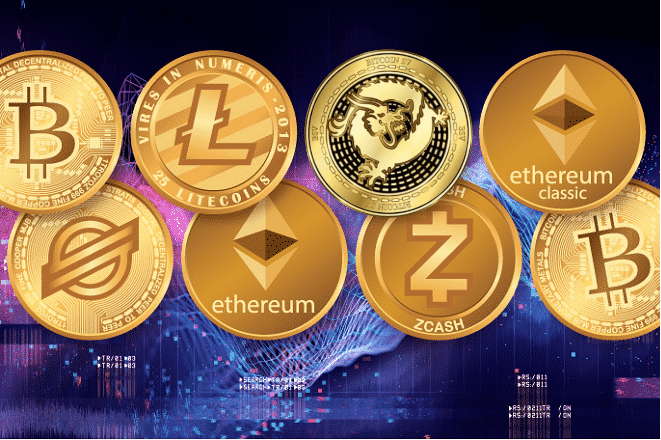
The main types of crypto exchanges
Not every crypto exchange works the same way. There are two big groups you will see as you start looking around: centralized exchanges and decentralized exchanges.
Centralized exchanges are run by one private company. They are the easiest to use for beginners. You get a password, a help team if you get stuck, and an easy way to connect your standard bank account. If you lose your password, they can help you reset it with your email.
Decentralized exchanges are totally different. No company runs them. Instead, computer code handles every trade automatically. You do not log in with a name or password. You just connect your own wallet and trade right from your phone. But if you make a mistake on these sites, no support person can fix it for you.
Most beginners start on a centralized platform. It feels just like using an online bank app. You can learn the basics slowly without worrying about writing down complex security codes on day one.
How does a crypto exchange matching engine work?
How does the site know who gets what? The secret is a piece of software called an order book. It is just a big digital list of buy orders and sell orders.
Say Sarah wants to sell one unit of digital currency for $30,000. She puts her offer on the list. Meanwhile, Tom has $30,000 in his app and tells the system he wants to buy. The exchange matching engine sees both offers, links them together, and moves the funds.
Here are the two main types of orders you can make on an exchange:
- Market Order: You tell the exchange to buy right now at whatever price is ready. It happens instantly, but the price might be a tiny bit higher than you expected.
- Limit Order: You set a strict price. You say you only want to buy if the price drops to $25,000. Your order sits on the list until someone agrees to that exact number.
The speed of this matching process is amazing. A large platform processes hundreds of thousands of these matches every single second. You tap your thumb, and the code finishes the trade before you can blink.
How exchanges make money through fees
Crypto exchanges are businesses, and they do not work for free. Every time you make a trade, buy a coin, or move cash, the platform takes a tiny cut of the deal.
The most common fee is the trading fee. It is usually a small percentage of your trade, like 0.1% to 0.5%. If you buy $100 worth of coin, the exchange might keep 50 cents and put $99.50 worth of coin into your account. That sounds small, but millions of trades add up to huge profits for the company.
You might also see deposit and withdrawal fees. Some exchanges charge you money just to send your cash back to your local bank account. Others charge a fee when you move your coins off the exchange into your own private storage.
Always read the fee page before signing up for any app. Some platforms claim to have zero fees, but they hide the cost inside a worse trade price. This hidden cost is called a spread. If a coin costs $100, they might sell it to you for $102 and keep the $2 difference.
Is your money safe on a crypto exchange?
This is the most important part every beginner must hear. Money sitting on a crypto exchange is not the same as money sitting in a normal bank account. If a traditional bank fails, government programs often protect your cash up to a certain limit. With crypto, that safety net is rarely there.
When you keep your coins on an exchange, the exchange actually owns the private keys to those coins. You just have a account balance on their screen. If the company goes bankrupt, gets hacked, or runs away with the funds, you could lose everything you put in.
We saw this happen in 2022 when a massive exchange named FTX collapsed overnight. Millions of regular users lost access to their funds in a matter of hours. People who thought their money was safe realized they were just unpaid creditors standing in a long line.
Hackers also love attacking these companies. Because exchanges hold billions of dollars in central computer vaults, they are giant targets. Good platforms spend vast sums on security guards and top software, but bad things can still happen.
To learn more about the absolute basics of these digital assets, read our plain guide on What is Bitcoin in Simple Words: A Guide for Beginners. Knowing what you are buying helps you make smarter choices about where to store it.
How to protect your account if you use an exchange
If you choose to use an exchange, you should lock down your account like a bank vault. Most account losses happen because a user picked a simple password or fell for an email trick.
First, pick a long password that you do not use anywhere else. Do not use your pet name, your birth date, or simple words. Use a mix of numbers, symbols, and random letters.
Second, turn on two-factor authorization right away. This means when you log in, the app asks for your password AND a special code sent to an authenticator app on your personal phone. Never use text message codes if you can avoid it, because hackers can sometimes steal your phone number.
Third, do not keep large amounts of money on an exchange long term. Use the exchange like a grocery store. You go in, buy what you need, and bring your goods home. In the crypto world, bringing your goods home means moving your coins off the exchange and into your own personal wallet.
Check out our main guide section for simple tutorials on crypto basics for absolute beginners to see how to move your money safely off these websites.
How to pick the right platform for you
Choosing your first app can feel scary because there are hundreds of options. You do not need to overthink it, but you should look for a few clear signs of a good service.
Look for a platform that has been around for several years without a major security scandal. Check if they operate legally in your country or state. Good exchanges follow local money rules and ask you to prove who you are with a driver's license before you trade.
Check the customer support section before you deposit a single dollar. Send them a test question. Do they answer in a few hours, or does it take weeks? If you lose access to your life savings, you want a support team that actually answers the phone or replies to your messages quickly.
Finally, look at the app layout. If the screen looks like a cockpit of a jet fighter with hundreds of flashing red and green lines, close it. Find an app that keeps things simple so you do not press the wrong button by mistake.
Crypto exchanges are powerful tools that make buying digital money simple for anyone with a smartphone. But they are not banks, and they come with real risks you must respect. Start small, learn how the fees work, and never invest money you cannot afford to lose. What is the first thing you plan to check before signing up for an account?


Comments
Post a Comment